Spring Cleaning Specials + FREE Estimates!
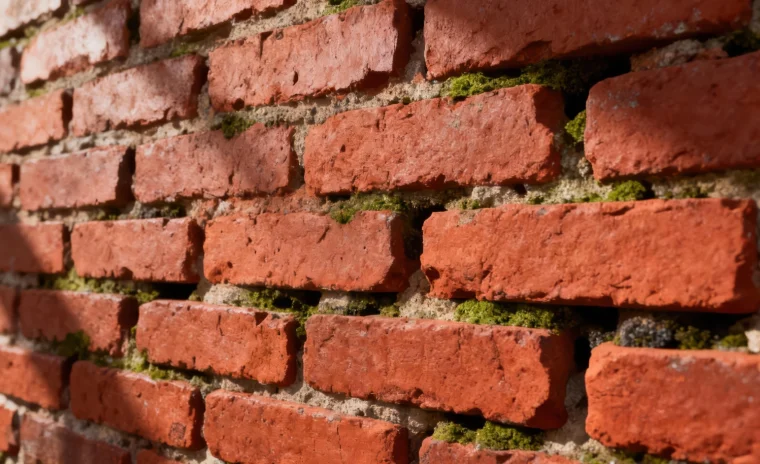
1. Why Mortar Joints Weaken Over Time
Brick structures throughout Pennsylvania face constant exposure to freeze-thaw cycles, heavy precipitation, and temperature fluctuations that gradually compromise mortar joints. During winter months, water seeps into tiny cracks within the mortar, then expands as it freezes, creating additional stress and widening existing gaps. This cyclical process accelerates deterioration, particularly in homes built before modern water-resistant mortar formulations became standard. As mortar erodes, it loses its ability to bond bricks together, creating spaces where moisture can penetrate deeper into the wall assembly. The resulting damage extends beyond cosmetic concerns, affecting the structural stability of entire brick facades. Homeowners often notice the first signs of mortar failure through white salt deposits on brick surfaces, gaps between bricks, or pieces of mortar crumbling away at ground level. Left unaddressed, these initial warning signs progress to more serious issues including water infiltration behind walls, interior dampness, and potential structural compromise. Understanding the natural aging process of mortar helps property owners recognize when intervention becomes necessary to preserve their investment and maintain building safety.
2. How Quality Restoration Preserves Masonry
The restoration process begins with careful assessment of the existing mortar condition, depth of deterioration, and identification of the original mortar composition. Skilled masons remove damaged mortar to a depth of at least three-quarters of an inch, creating a uniform channel that provides adequate bonding surface for new material. This removal requires precision to avoid damaging brick edges while ensuring complete extraction of compromised mortar. Matching the replacement mortar to the original composition is critical for both aesthetic consistency and performance compatibility. Historic homes often used lime-based mortars that are softer than modern Portland cement mixtures, requiring custom blending to achieve proper flexibility and breathability.
The new mortar gets carefully packed into cleaned joints using specialized tools that compress the material and eliminate air pockets. Proper tooling creates weather-resistant joints that shed water away from the wall surface while maintaining visual consistency with surrounding original work. Curing time varies based on temperature and humidity conditions, with masons often misting freshly pointed walls to prevent rapid drying that can cause shrinkage cracks. The finished restoration should be virtually invisible, blending seamlessly with existing masonry while providing decades of renewed protection. Quality workmanship ensures that restored sections perform as well as or better than the original construction, extending the serviceable life of the entire structure.
3. Creating Barriers Against Moisture Damage
Water infiltration represents the single greatest threat to brick masonry longevity, making moisture barrier restoration the primary benefit of proper joint maintenance. When mortar joints fail, water follows the path of least resistance, traveling horizontally along bed joints and vertically through head joints, eventually reaching interior wall cavities. Once inside the wall assembly, moisture promotes mold growth, wood rot in structural framing members, and deterioration of insulation materials. In Pennsylvania’s climate, trapped moisture freezes during winter cold snaps, creating expansion forces that can dislodge entire sections of brick facing. Properly executed restoration creates a continuous barrier that redirects water away from vulnerable wall interiors. The shaped profile of finished joints encourages runoff rather than allowing water to pool in horizontal depressions.
Beyond the joints themselves, the restoration process often reveals additional vulnerabilities including cracks in brick faces, gaps around windows and doors, or missing flashing components. Addressing these related issues during the same project creates a coordinated defense against water intrusion. Homeowners notice the effectiveness of moisture control through reduced interior humidity levels, elimination of musty odors, and decreased heating costs as wet insulation regains its thermal resistance. The investment in joint restoration pays ongoing dividends through lower maintenance requirements and prevention of cascading damage that would otherwise require extensive remediation.
4. Long-Term Benefits for Your Property
Timely restoration extends the functional life of brick structures by decades, protecting the substantial investment homeowners have made in their properties. Brick itself can last centuries when properly maintained, but neglected mortar allows the entire assembly to fail prematurely. The cost of proactive joint maintenance represents a small fraction of the expense required to rebuild collapsed sections or replace water-damaged interior finishes. Property values benefit directly from well-maintained masonry that enhances curb appeal and signals responsible ownership to potential buyers. Historic homes particularly depend on proper maintenance to preserve architectural character that cannot be replicated with modern materials or techniques. Beyond structural considerations, restored masonry improves energy efficiency by sealing gaps that allow conditioned air to escape and outdoor air to infiltrate.
Homeowners often report noticeable comfort improvements as drafts diminish and temperature consistency improves throughout living spaces. The work also prevents secondary damage to adjacent building components including wood trim, window frames, and roofing elements that deteriorate when exposed to moisture migration from failed masonry. Insurance considerations favor maintained properties, as carriers recognize the reduced risk of water damage claims and structural failures. A comprehensive approach to brick maintenance demonstrates stewardship that protects long-term property value while ensuring safety and comfort for current occupants.
5. Trust Certified Masonry Specialists
Alliance Chimney & Energy, Inc. brings specialized masonry knowledge to every restoration project, ensuring that brick structures receive the precise care they require. Since 2009, our team has served property owners throughout the region with thorough assessments, quality materials, and skilled craftsmanship that honors both traditional techniques and modern performance standards. We understand the specific challenges that Pennsylvania weather creates for brick structures, from the salt-laden winter storms that accelerate mortar breakdown to the humid summers that promote efflorescence. Our approach begins with detailed inspection to identify not just obvious damage but also underlying issues that could compromise future performance.
We match mortar composition to your structure’s original specifications, ensuring compatibility that prevents future problems while maintaining historic authenticity when appropriate. Every project receives the attention of licensed, insured professionals who take pride in delivering lasting results that protect your investment. Our commitment to quality means using proper curing techniques, weather-appropriate scheduling, and thorough cleanup that respects your property. Homeowners choose us because we combine technical knowledge with clear communication, helping you understand what your masonry needs and why particular approaches serve your long-term interests. When you need reliable masonry services that preserve structural integrity and enhance curb appeal, our proven track record and personalized attention ensure your brick home receives the care it deserves.